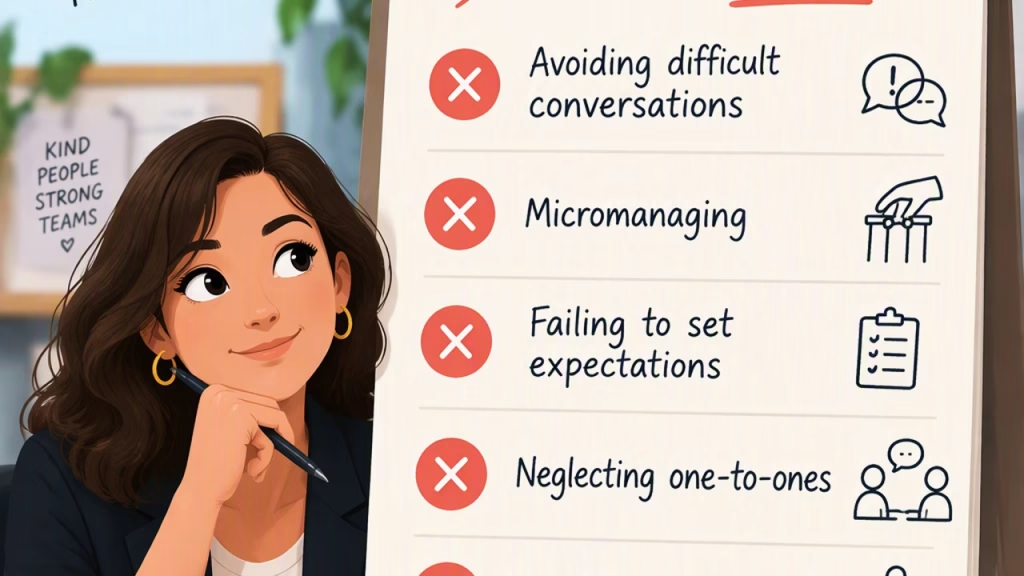
First-Time Manager Training: 5 Mistakes New Managers Often Make
Stepping into a management role for the first time is exciting, but it can also be challenging. Many new managers are promoted because of their technical expertise, strong performance, or reliability. However, managing people requires a completely different set of skills. This is why our first-time managers training is so important. It helps new leaders avoid common pitfalls and develop the confidence needed to lead effectively.
Here are five mistakes first-time managers often make and how training can help them avoid them.
1. Avoiding Difficult Conversations
One of the most common challenges for new managers is addressing poor performance, inappropriate behaviour, or missed deadlines. Many worry about damaging relationships or creating conflict, so they delay conversations that need to happen.
Unfortunately, avoiding difficult conversations rarely solves the problem. In many cases, issues escalate and become harder to address later.
Effective first-time managers training teaches managers how to prepare for challenging discussions, communicate with confidence, and provide constructive feedback that supports improvement rather than creating tension.
2. Micromanaging Team Members
Many first-time managers struggle to let go of tasks they previously completed themselves. Because they know how they would do the work, they can be tempted to closely monitor every detail.
Micromanagement can quickly reduce team morale, limit employee development, and create frustration for both manager and employee.
New managers need to understand that leadership is not about controlling every action. It is about setting direction, providing support, and trusting people to deliver results. Training helps managers develop coaching skills and create an environment where team members can take ownership of their work.
3. Failing to Set Clear Expectations
Employees cannot meet expectations that have never been communicated.
New managers sometimes assume team members know what is required, only to discover later that deadlines, priorities, or quality standards have been misunderstood.
A key element of first-time managers training is learning how to set clear goals, define responsibilities, and communicate expectations effectively. When employees know exactly what success looks like, they are more likely to perform confidently and consistently.
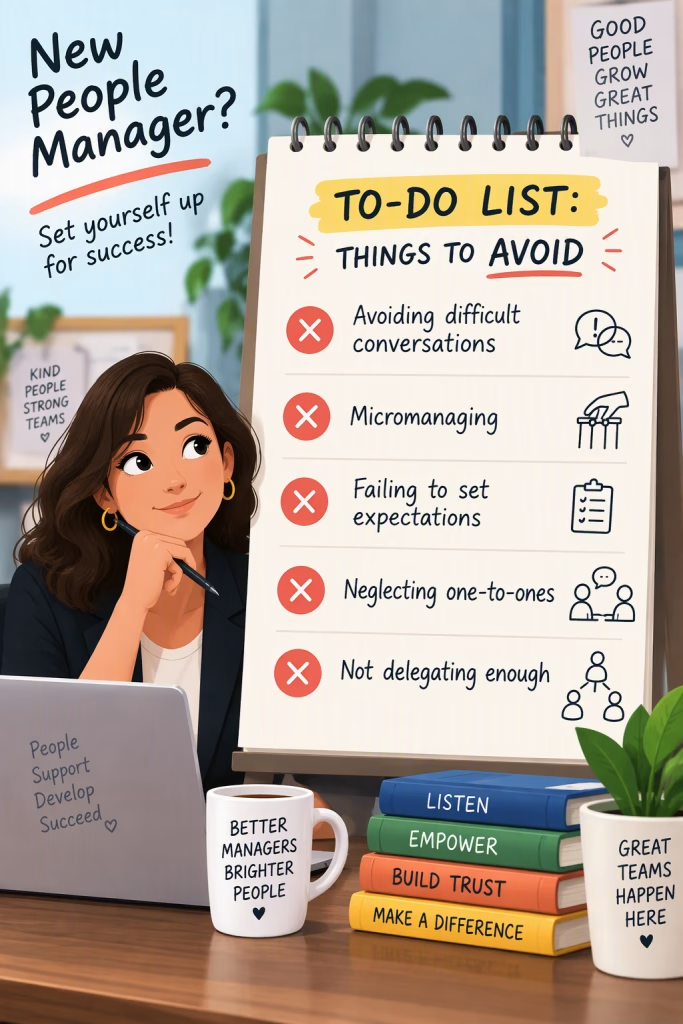
4. Neglecting Regular One-to-Ones
Busy managers often view one-to-one meetings as optional. When workloads increase, these conversations are frequently postponed or cancelled.
This can be a costly mistake.
Regular one-to-ones provide opportunities to discuss progress, address concerns, recognise achievements, and strengthen working relationships. They also help identify issues before they become significant problems.
Structured management training helps new leaders understand how to run meaningful one-to-one meetings that support performance, engagement, and employee development.
5. Not Delegating Enough
Many first-time managers believe they must prove themselves by continuing to do most of the work personally. While this may feel productive in the short term, it often leads to excessive workloads and prevents team members from growing.
Successful delegation benefits everyone. It develops employee capability, increases team capacity, and allows managers to focus on leadership responsibilities.
Through first-time managers training, participants learn how to delegate effectively, match tasks to capabilities, and provide the right level of support without taking work back unnecessarily.
Why First-Time Managers Training Matters
The transition from employee to manager is one of the most significant career changes a professional can make. Without support, new managers can develop habits that negatively impact team performance and morale.
High-quality first-time managers training helps new leaders build essential skills in communication, delegation, feedback, performance management, and relationship building. By avoiding these common mistakes, first-time managers can become confident, capable leaders who create successful and engaged teams.
Looking to develop confident new managers? Investing in first-time managers training can help emerging leaders build the skills they need to succeed from day one.
Training for First-Time Managers